Illuminated vs Non-Illuminated Signage: What Changes for Nighttime Visibility
I'm JC Aviles, owner and CEO of Competitive Signs. We've been designing and fabricating signage out of Montclair, New Jersey since 1999, and one of the most common questions I get from business owners deciding on a new storefront sign is whether illumination is actually worth the added cost. My answer is always the same: it depends on what your storefront looks like after dark, not just what it looks like at 2 in the afternoon when you're standing outside picking a design. Illumination doesn't just make a sign brighter. It changes three specific things about how that sign performs once the sun goes down, and most business owners have only thought seriously about one of them.
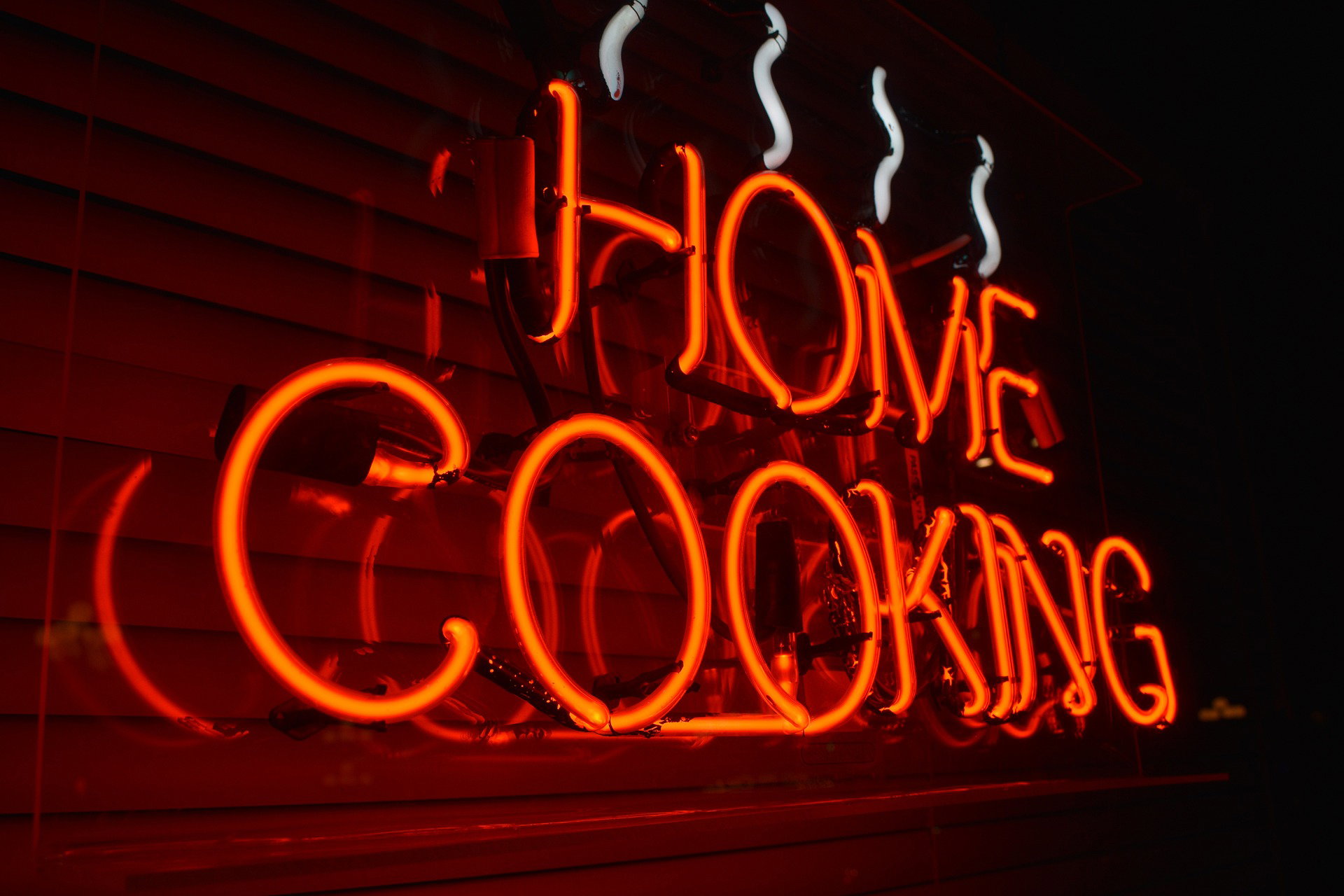
The Contrast, Consistency, and Carry Framework
When I walk a client through the illuminated signage versus non-illuminated decision, I break nighttime visibility into three factors: Contrast, Consistency, and Carry.
Contrast is how much a sign visually separates itself from everything around it once ambient light drops. A non-illuminated sign at night depends entirely on whatever external light happens to be hitting it, a streetlight, a neighboring storefront's spill light, passing headlights. An illuminated sign generates its own contrast against the darkness around it, which is exactly why front-lit channel letters, where LED lighting shines through a translucent acrylic face, read as bright and legible even in a stretch of street with weak ambient lighting. The sign isn't waiting for the environment to light it. It's creating its own presence regardless of what's happening around it.
Consistency is about how a sign performs across an entire night, and across different seasons and weather conditions, not just under ideal circumstances. A non-illuminated sign that looks perfectly visible under a streetlight in the summer can become far harder to read in winter, when it gets dark earlier and street lighting conditions may not have changed at all. An illuminated sign performs the same way at 6 PM and 11 PM, in July and in January, because its visibility isn't dependent on external conditions the business owner has no control over.
Carry is how far down the block a sign's visibility actually extends, how early a driver or pedestrian picks it out before they're right in front of it. This is where the specific type of illumination matters. Front-lit channel letters, with LED lighting shining through the acrylic face, carry visibility at a distance differently than halo-lit or back-lit letters, which project a softer glow onto the wall behind them rather than a bright face. A business on a high-traffic corridor where drivers are deciding where to turn from a distance benefits from a different illumination style than a boutique storefront where pedestrians are already close enough to appreciate a more subtle glow.
The mistake I see most often is business owners treating illumination as a single yes-or-no decision, illuminated or not, without thinking through which of these three factors actually matters most for their specific location and their specific customer's behavior at night.
Illustrative Example: A Hypothetical Block in Downtown Montclair
Here's a hypothetical example, a composite based on a common comparison, not a specific past project, to show how Contrast, Consistency, and Carry play out side by side.
Say two storefronts sit on the same block in a downtown commercial corridor. One has a non-illuminated sign, painted lettering on a flat panel. The other has front-lit channel letters. During the day, both signs are equally legible, daylight provides plenty of contrast for either one. Once evening falls, the difference becomes obvious. The non-illuminated sign's visibility now depends entirely on whether a nearby streetlight happens to be positioned well and whether the neighboring businesses have their own lighting spilling onto the block. On a clear night with good streetlighting, it might still read fine from a short distance. On a rainy night, or in the stretch of the block between two streetlights, that same sign becomes much harder to pick out.
The illuminated storefront doesn't have that variability. Its Contrast against the dark storefront glass and sidewalk is generated by the sign itself, its Consistency holds whether the night is clear or overcast, early evening or late night, and its Carry means a driver approaching the block can identify the business well before they're directly in front of it. That's not a claim that illumination is always the right call for every business, a storefront that closes before dark genuinely doesn't need to solve for nighttime visibility at all. But for a business with evening foot traffic or drive-by visibility as part of its customer flow, the difference between the two signs isn't cosmetic, it's functional.
Myth-Busting: What Business Owners Get Wrong About Illuminated Signage
Myth 1: Good street lighting makes illumination unnecessary. Street lighting is inconsistent by nature, positioned for road safety, not for showcasing a specific storefront, and it varies block to block and season to season. A non-illuminated sign's visibility is only ever as good as whatever ambient light happens to be present at that exact moment.
Myth 2: Brighter is always better. The right illumination style depends on the storefront and the corridor. A softer halo-lit effect can read as more upscale and appropriate for some businesses, while a brighter front-lit face makes more sense for a high-traffic corridor where visibility from a distance matters most. More brightness isn't automatically the better choice for every context.
Myth 3: Illuminated signs require constant maintenance to stay worth the investment. Well-constructed channel letter signs can last anywhere from 5 to 15 years or more, and modern LED lighting is more energy-efficient and longer-lasting than older neon or fluorescent options, which reduces the maintenance burden compared to older illumination technology.
Myth 4: LED and neon signage are basically interchangeable in cost and upkeep. Contemporary channel letter signs illuminated with energy-efficient LED lighting draw significantly less power than neon or fluorescent lighting, which affects both the ongoing operating cost and how often components need attention over the sign's lifespan.
Myth 5: Illumination only matters for businesses open late at night. Even a business that closes at a typical hour benefits from illumination during the shorter daylight stretches of fall and winter, when it's dark well before closing time, a factor that's easy to overlook when a sign decision is made during a bright summer consultation.
Illuminated vs Non-Illuminated: What Actually Changes
| Factor | Non-Illuminated Signage | Illuminated Signage (Channel Letters) |
|---|---|---|
| Nighttime contrast | Dependent on ambient and external light sources | Sign generates its own visual presence regardless of surroundings |
| Consistency across seasons and weather | Varies with streetlight conditions, weather, and time of year | Performs consistently regardless of external lighting conditions |
| Visibility at a distance | Limited to what reflected or ambient light allows | Front-lit and halo-lit options extend visibility further down the block |
| Typical lifespan | Long-lasting, minimal moving components | 5 to 15 years or more for well-constructed channel letters |
| Zoning consideration | Generally simpler review | Illumination adds a layer of review, since boards evaluate light spill onto neighboring properties |
| Best suited for | Businesses without significant evening or after-dark customer traffic | Businesses with evening foot traffic, drive-by visibility, or shorter winter daylight hours |
Frequently Asked Questions
1. What's the difference between front-lit and halo-lit channel letters?
Front-lit channel letters have translucent acrylic faces that let LED lighting shine directly through, creating a bright, illuminated effect. Halo-lit, or back-lit, letters project a softer glow onto the wall behind the letters instead, creating a more subtle, upscale look.
2. How long do illuminated channel letter signs last?
Well-constructed channel letter signs can last anywhere from 5 to 15 years or more, depending on materials, installation quality, and maintenance.
3. Are illuminated signs more expensive to install than non-illuminated signs?
Initial cost is typically higher for illuminated signage, and installation can be more complex, often requiring professional expertise to wire and mount the lighting components correctly.
4. Does illuminated signage require special permitting?
Illumination adds a layer of consideration to the zoning and permitting process, since local boards evaluate whether lighting spills onto neighboring properties in addition to the standard size and placement review. We handle that full process as part of every illuminated sign project.
5. Is LED lighting a better choice than neon for a storefront sign?
Contemporary LED lighting draws significantly less power than neon or fluorescent lighting and generally offers a longer lifespan, which is why most modern channel letter signs, including the ones we build, use energy-efficient LEDs.
My Take, After 26 Years of This
I've watched Montclair's own downtown go through a real appreciation for illuminated signage over the years, and it's not just an aesthetic trend. It's a functional response to how differently a storefront reads once the sun goes down. My advice to every client weighing this decision is the same: think honestly about who's walking or driving past your storefront after dark, and how much that matters to your business, before deciding whether illumination is worth it. For some businesses it clearly is. For others, particularly ones that close well before dusk most of the year, it's a smaller factor than the sales pitch might suggest. I'd rather have that honest conversation with you before you commit to a design than sell you on illumination you don't actually need.
JC Aviles Owner-CEO, Competitive Signs 451 1/2 Orange Rd., Montclair, NJ 07042 973-783-1001
